Hypertension is the number one risk factor for death globally, affecting more than 1 billion people.
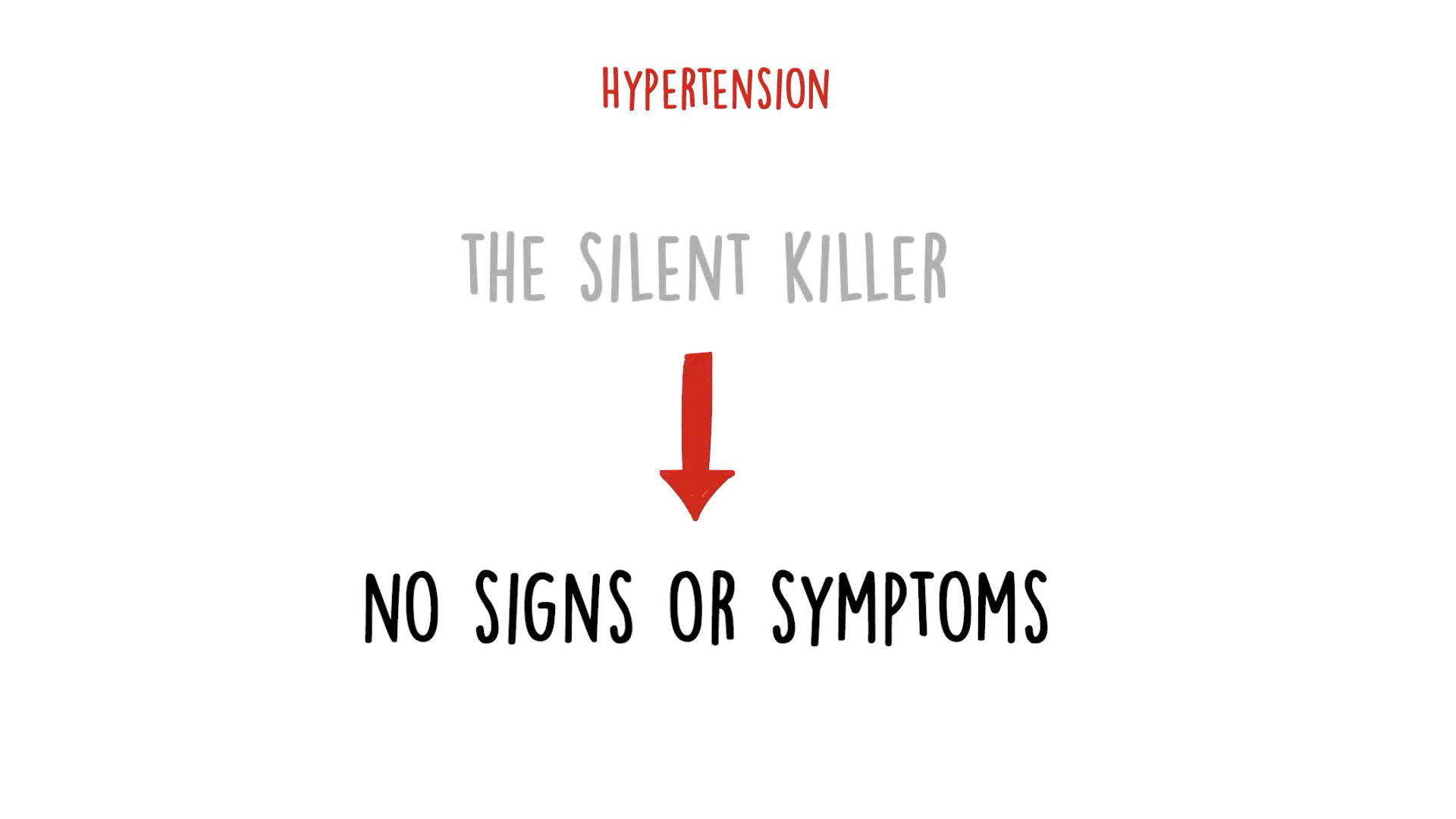
It accounts for about half of all heart disease and stroke-related deaths worldwide. Hypertension does not cause any symptoms on its own, which is why it’s often referred to as “the silent killer”.
Hypertension is a condition that occurs when your blood pressure increases to unhealthy levels. It affects one billion people worldwide, or one in four adults, and is the number on risk factor for death globally.
Hypertension is particularly challenging because it is an asymptomatic, silent killer and often remains hidden until caught during monitoring or evidenced in a hypertension-associated disease such as heart failure or stroke. Undiscovered and untreated, hypertension significantly increases the risk of developing cardiovascular, brain, and kidney diseases. It accounts for about half of all heart disease- and stroke-related deaths worldwide.
WHAT IS BLOOD PRESSURE?
Blood pressure is a measurement of the force of the blood flowing through the arteries (the vessels that carry oxygen and nutrients to the body). It’s determined by the amount of blood pumped by the heart and how easily the blood can flow through the arteries.
An increase in blood pressure is produced when the arteries become narrower or stiffer (vascular resistance) or when a larger volume of blood is being pumped through the heart (increase in cardiac output. The higher the blood pressure, the harder the heart has to pump.
Blood pressure is typically represented by two numbers. The top number is your systolic blood pressure, which is the measurement of the force in the arteries as your heart pumps blood. The bottom number is your diastolic blood pressure, or the measurement of the force in the arteries as your heart is relaxing or refilling.
An ideal blood pressure is less than 120 over 80 millimetres of mercury (mmHg). Blood pressure can fluctuate throughout the day depending on the time of day and what you are doing.
What is hypertension?
Hypertension is a condition where your blood pressure is consistently high, which can potentially cause damage to your heart, brain and other important organs. It is defined as any blood pressure that is equal to or greater than 140 over 90 mmHg.
Hypertension is one of the most common disorders affecting the heart and blood vessels. Even moderately high blood pressure can increase your risk of developing heart disease, so it’s important to have your blood pressure measured regularly.
PRIMARY & SECONDARY HYPERTENSION
Hypertension can be classified as primary or secondary. Primary hypertension is responsible for over 90% of cases. It’s more common as you get older and may be caused by one or more of several possible factors, such as being overweight, a salt-heavy diet, lack of exercise and drinking alcohol.
Secondary hypertension is caused by an underlying condition, most commonly kidney problems and endocrine disorders.
TREATMENT & MANAGEMENT
Over a billion people around the world have hypertension, but fewer than 1 in 5 have it under control. Hypertension is normally relatively easy to manage through a combination of lifestyle interventions and cost-effective medications, yet levels of awareness, treatment and control remain low in all regions of the world.
Eat healthy
Healthy eating is particularly important in managing high blood pressure and reducing your risk of heart disease. One way to avoid high blood pressure is to enjoy a healthy eating plan that contains less than 5g of salt (2g of sodium) a day. Increasing your potassium intake can help lower your blood pressure.
Maintain a healthy weight
If you are overweight, achieving and maintaining a healthy weight is an important step to reducing your risk of developing high blood pressure.
Limit your alcohol intake
Drinking too much alcohol can increase your blood pressure, so you should limit your alcohol intake, ideally to zero.
Be active every day
Being physically active is an important part of leading a healthy lifestyle and can help lower your blood pressure, on top of many other health benefits.
Don't smoke
Smoking greatly increases your risk of heart attack, stroke, lung cancer and other diseases. Once you quit, the risk is reduced quickly.
Medication
You may also need to take blood pressure-lowering medication to reduce their high blood pressure to safe, managed level. These “anti-hypertensive” medicines do not cure high blood pressure, but they do manage it. Once you start to take medicines to manage your blood pressure, you will probably have to take them for the rest of your life.
Progress in hypertension medication in the past five decades has been remarkable and there is now a wide portfolio of cost-effective and safe pharmacological options with which to treat people.
GLOBAL BURDEN OF HYPERTENSION
High blood pressure is a worldwide problem, but the greatest increases in the absolute burden of hypertension are currently being seen in East Asia and the Pacific, Latin America and the Caribbean, South Asia, and Sub-Saharan Africa. The Global Burden of Disease Study for 2019 estimates that about ten million deaths were attributable that year to high blood pressure, mostly in low- and middle-income countries (LMICs). Only about a third of people with
hypertension are receiving pharmacological treatment and only one in ten have their blood pressure appropriately controlled, in LMICs. Uncontrolled hypertension imposes an enormous economic burden on society, in terms of both direct healthcare costs and substantial productivity losses resulting from disability and premature mortality. An estimated 10% of global health care spending is directly related to hypertension and its complications.
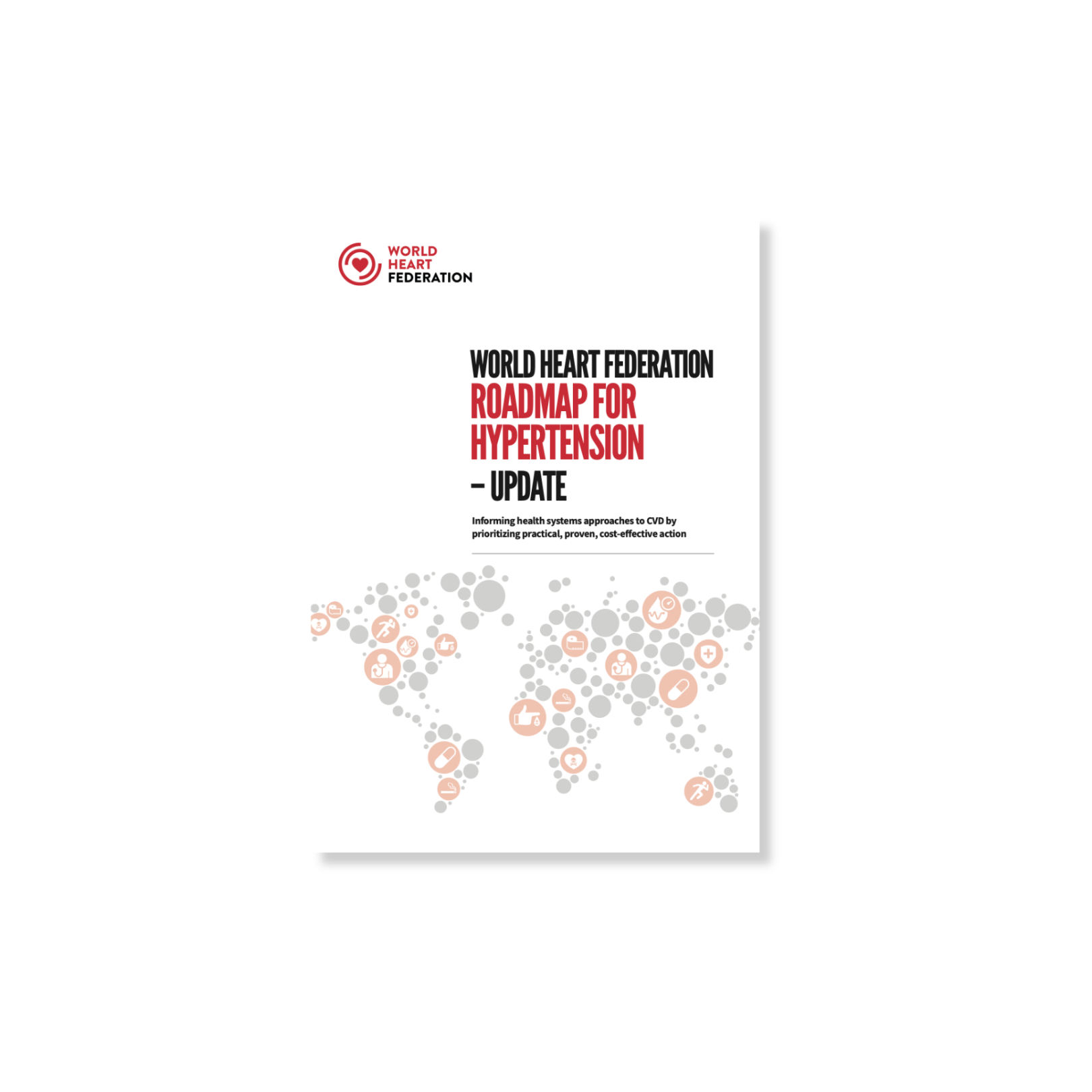
WHF roadmap for Hypertension
The new World Heart Federation Roadmap for Hypertension, which builds on the previous 2015 edition, is a key reference document for anyone involved in the planning, organization, patient management and implementation of approaches to reduce the burden of hypertension.
It provides evidence-informed guidance on priority interventions for hypertension that can be adapted to different contexts, and summarises new evidence in epidemiology, treatment, emerging technologies, health system strategies, and policies that can inform, support and improve the detection and management of hypertension worldwide. Drawing on the expertise of clinicians, researchers, allied health professionals, health systems experts and patient representatives from around the world, it presents an integrated approach to patient care.
Latest News
From Declarations to Implementation: Bold Measures to Reduce the Cardiovascular Burden
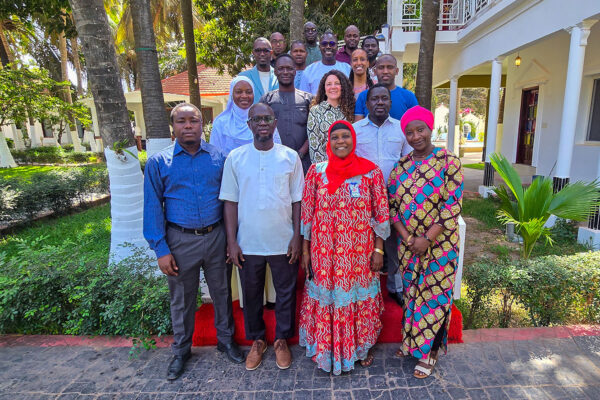
Improving hypertension management in The Gambia

Five ingredients for better heart health