Cardiovascular disease (CVD) is a class of diseases that affect the heart or blood vessels (veins and arteries). It can be caused by a combination of socio-economic, behavioural, and environmental risk factors, including high blood pressure, unhealthy diet, high cholesterol, diabetes, air pollution, obesity, tobacco use, kidney disease, physical inactivity, harmful use of alcohol and stress. Family history, ethnic background, sex, and age can also affect a person’s risk of cardiovascular disease.
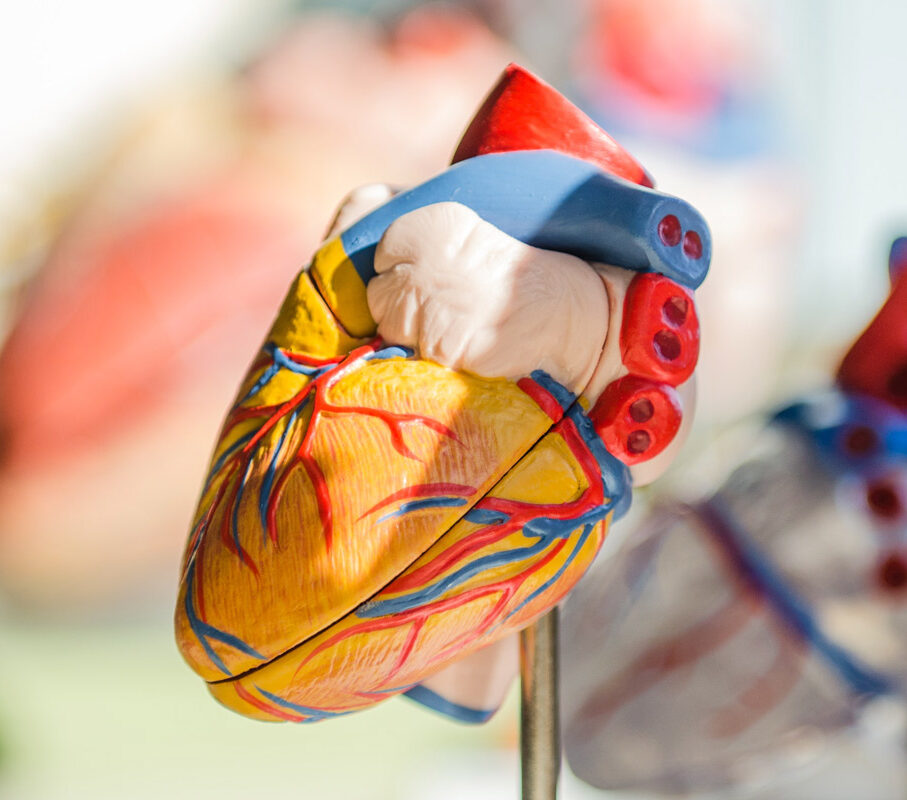
The Heart
The human heart is only the size of a fist, but it is the hardest working muscle in the body. With every heartbeat, the heart pumps blood, carrying oxygen and nutrients to every part of the body.
The heart is a muscular organ that pumps blood throughout the body via the circulatory system, which is made up of the heart, blood and blood vessels. The pumped blood carries oxygen and nutrients to tissues and organs through the blood vessels, while carrying away metabolic waste such as carbon dioxide.
In humans, the heart is around the size of a large fist and sits between the lungs, in the middle compartment of the chest, slightly to the left of centre. The heart beats around 100,000 times and pumps up to 7,500 litres of blood every day.
Key Facts
What are the different types of cardiovascular disease?
Heart Disease
Coronary heart disease, sometimes called coronary artery disease or ischemic heart disease, is the most common type of heart disease. It refers to heart problems caused by narrowed coronary arteries that supply blood to the heart muscle. For some people, the first sign of coronary heart disease is a heart attack.
Heart Attack
A heart attack, or myocardial infarction, occurs when something, usually a blood clot, cuts off the flow of blood to the heart. Without oxygen and nutrients, the heart muscle begins to die. A heart attack may not be fatal, especially if you receive immediate medical attention and treatment, but it can still cause lasting damage to the heart.
Stroke
A stroke occurs when the blood supply to the brain is interrupted, causing the brain to lose its vital supply of oxygen and nutrients. A stroke can either be caused by a blood clot in the brain artery or when a blood vessel in the brain bursts and bleeds, damaging the brain tissue.
Other conditions
- Arrhythmia – irregular or abnormal heartbeat.
- Aortic disease (including aortic aneurysm) – a disease that causes the aorta to widen or tear.
- Cardiomyopathies – diseases of the heart muscle.
- Congenital heart disease – problems with the heart or blood vessels that exist at birth.
- Deep vein thrombosis and pulmonary embolism – blood clots in the leg veins, which can break loose and travel to the heart and lungs.
- Heart failure – heart failure is when your heart isn’t pumping as well as it should be.
- Heart valve disease – a disease of the heart valves that keep blood flowing through the heart.
- Pericardial disease (pericarditis) – inflammation of the thin tissue sac that surrounds the heart.
- Rheumatic heart disease (RHD) – Rheumatic heart disease is damage to the heart muscle and heart valves from rheumatic fever, caused by streptococcal bacteria.
- Vascular disease (blood vessel disease) – any condition that affects your circulatory system.
- Peripheral vascular disease (including peripheral arterial disease) – a disease of blood vessels supplying the arms and legs.
- Cerebrovascular disease – a disease of the blood vessels supplying the brain.
- Chagas disease – discovered more than 100 years ago, Chagas disease can cause irreversible damage to the heart and other organs.
What are the Symptoms of Cardiovascular Disease
Often, there are no underlying symptoms of cardiovascular disease, and the first sign can be a heart attack or stroke.
Symptoms of cardiovascular disease vary based on what condition you have and can include:
- Chest pain, chest tightness, chest pressure and chest discomfort
- Pain, weakness or numbness in your legs and/or arms
- Pain or discomfort in the arms, neck, shoulder, jaw and back
- Shortness of breath
- Easily tiring during exercise or activity
- Changes in your heart rhythm
- Very fast or slow heartbeat, palpitations or fluttering in your chest
- Dizziness, lightheadedness or fainting
- Weakness or fatigue
- Swelling of the hands, legs, ankles or feet
- Fever
- Skin rashes or unusual spots
- Dry or persistent cough
The symptoms of heart attack in men are intense chest pain, pain in the left arm or jaw and difficulty breathing.
Women may have some of the same symptoms, but their pain may be more diffused, spreading to the shoulders, neck, arms, abdomen and back. Women may experience pain more like indigestion and the pain may not be consistent. There may not be pain but unexplained anxiety, nausea, dizziness, palpitations and cold sweat. Heart attacks in women may be preceded by unexplained fatigue. Women also tend to have more severe first heart attacks that more frequently lead to death, compared to men.
If you experience chest pain, shortness of breath and/or fainting, seek emergency medical care immediately. You should always call your country’s emergency number if you think you may be having a heart attack.
Cardiovascular disease, including heart disease, is easier to treat when detected early. If you’re concerned about your heart health, talk to your doctor about the steps you can take to reduce your heart disease risk, especially if you have a family history of heart disease.
How is Cardiovascular Disease Diagnosed?
Diagnosis of cardiovascular disease depends on your symptoms and what condition your doctor thinks you may have. A doctor will examine your medical and family history, your risk factors, and conduct a physical examination. When necessary, they will combine their findings with results from tests and procedures.
Cardiovascular diseases are diagnosed using a range of laboratory tests and imaging studies. Some of the common tests used to diagnose cardiovascular diseases include:
- Blood test
- Stress test
- Chest x-ray
- Electrocardiogram (ECG/EKG)
- Echocardiogram (Echo)
- Computerized tomography (CT) scan
- Magnetic resonance imaging (MRI) scan
- Electron-beam computed tomography (EBCT)
- Cardiac catheterization and coronary angiography
How Do You Prevent Cardiovascular Disease?
There are many risk factors associated with heart disease and stroke. Some risk factors, like family history, cannot be modified, while other risk factors, like high blood pressure, can be modified through lifestyle interventions and treatment. Millions of people worldwide struggle to control the risk factors that lead to cardiovascular disease, and many others remain unaware that they are at high risk.
The most important behavioural risk factors of heart disease and stroke are unhealthy diet, physical inactivity, tobacco use and harmful use of alcohol. These behaviours can lead to raised blood pressure, diabetes, high cholesterol, overweight and obesity, which can in turn be measured in order to assess an individual’s risk of developing cardiovascular disease.
Addressing just one risk factor, such as exercising more, will help, but in order to significantly reduce your risk of CVD, it’s important to look at your lifestyle as a whole. If you are already living with CVD, staying healthy and active can help you live longer and reduce the chances of it getting worse.
While individual choices play a part in these behaviours, governments and policymakers also play an important role in ensuring people have access to the tools they need to live a healthy life, including clean air, affordable healthy food, and well-planned urban spaces that encourage an active lifestyle. Health policies that create environments where healthy choices are not only available, but also affordable, are essential for motivating people to adopt and sustain healthier lifestyles.
What can you do to lower your risk of cardiovascular disease?
According to the World Health Organization, as many as 80% of all heart attacks and strokes are preventable. The majority of deaths due to CVD are precipitated by risk factors such as high blood pressure, high cholesterol, obesity, or diabetes, which can, to a large extent, be prevented or controlled through the consumption of a healthy diet, regular exercise and avoiding tobacco. Keeping an eye on your blood pressure, cholesterol levels and blood sugar levels is also very important.
Eat a Healthy and Balanced Diet
Eating a healthy, balanced diet is crucial to maintaining a healthy heart and circulation system. A healthy diet should include a wide variety of unprocessed and fresh foods, including plenty of fruit and vegetables (at least five portions every day), whole grains, nuts and foods low in saturated fats, sugars and salt. Be wary of processed foods, which often contain high levels of salt, and drink lots of water!
Maintain a Health Body Weight
Lowering your risk of overweight and obesity normally involves reducing the number of calories consumed from fats and sugars, increasing the portion of daily intake of fruit, vegetables, whole grains and nuts, and exercising regularly. At least 60 minutes of exercise most days a week will help you maintain a healthy body weight.
Avoid Alcohol
As with tobacco, there is no safe level for drinking alcohol, and the detrimental effects of alcohol far outweigh any potential protective benefits. While drinking less may reduce your risk of CVD, evidence shows that the ideal situation for health is to not drink at all. Even moderate drinkers notice health benefits when they stop drinking alcohol.
- The Impact of Alcohol Consumption on Cardiovascular Health: Myths and Measures
- Addressing the European Framework for Action on Alcohol 2022-25
Manage Stress
Stress can cause the arteries to tighten, which can increase the risk of heart disease, especially in women. Exercising, deep breathing, relaxing your muscles and making time for the things you love are some things you can do to help manage your stress levels. If things are starting to feel out of hand, don’t be afraid to talk to someone or seek professional help.
Take Your Medication as Prescribed
If you have a higher risk of developing heart disease or stroke, you may need to take medication to reduce your risk. These can include statins to lower blood cholesterol levels, low-dose aspirin to prevent blood clots, insulin for diabetes and tablets to reduce blood pressure. Take the medication that your doctor has prescribed and make sure you stick to your regiment.
Know the Warning Signs
The sooner assistance is sought, the greater the chances of a full recovery.
Know Your Numbers
Knowing your numbers is an important part of keeping your heart healthy. Checking your blood pressure, cholesterol levels and blood sugar levels on a regular basis is important to help determine and control your risk of developing cardiovascular disease.
- Know your blood pressure: High blood pressure, or hypertension, is one of the biggest causes of heart attack and stroke. It usually has no symptoms, so it’s important to get it regularly checked and, if needed, take the necessary measures to lower it, which may include dietary changes, increased physical activity, and medication.
- Know your cholesterol: High levels of cholesterol in your blood also increase your risk of cardiovascular disease, including heart attacks and strokes. Blood cholesterol can normally be controlled through a healthy diet and, if necessary, by appropriate medications.
- Know your blood sugar: Having diabetes, or high blood sugar, increases increase your risk of heart attacks and strokes, so it’s important to know your numbers and take any necessary precautions to control your blood sugar if your doctor prescribes it.
Exercise Regularly
It only takes 30 minutes of moderate-intensity physical activity, five days a week, to improve and maintain your health. Adults (aged 18-65) and seniors (65+) should aim to do at least 150 minutes of moderate-intensity physical activity, or at least 75 minutes of high-intensity physical activity, every week. Children and adolescents should do at least 60 minutes of moderate- to vigorous-intensity physical activity every day.
Try to make exercise a regular part of your life: use the stairs instead of the lift, get off the bus a few stops earlier and walk the rest of the way. Being active is also a great way to relieve stress and control your weight, which are both risk factors for cardiovascular disease.
Avoid Tobacco Use
If you stop smoking, your risk of coronary heart disease will be halved within a year and will return to a normal level over time. Avoid smoke-filled environments: exposure to second-hand smoke significantly increases the risk of heart attack. All forms of tobacco are harmful, and there is no safe level of exposure to tobacco. If you’re having trouble quitting tobacco, talk to your doctor about developing a tailored plan to suit your needs.
- Roadmap for Tobacco Control
- CVD & Tobacco Use
- Global Advocacy – Tobacco
- E-Cigarettes: A New Threat to Cardiovascular Health policy brief
- World No Tobacco Day 2023: Hearts Need Food, Not Tobacco

What is the treatment for cardiovascular disease?
Treatments for cardiovascular disease can differ depending on the condition, but can include:
Lifestyle changes such as diet, exercise, and alcohol and tobacco use
Medication, including ones that treat risk factors like blood pressure, or to dissolve blood clots
Devices such as pacemakers or implantable cardioverter-defibrillators (ICDs)
Medical procedures including stents, heart valve surgery or coronary bypass surgery
Cardiopulmonary Resuscitation (CPR)
CPR increases a person’s chance of survival when they go into sudden cardiac arrest- when the heart malfunctions and stops beating un-expectantly. Heart attacks can lead to cardiac arrest because they weaken the heart muscles. This is why it is important to know the warning signs of a heart attack and get medical attention as soon as possible.
While sudden cardiac arrest most often occurs due to complications from heart attacks, it can also be caused by physical stress as from intense physical activity, inherited disorders, or changes in the heart’s size or structure.
The full CPR process includes a continuous cycle of 30 chest compressions followed by 2 rescue breaths. By manually pumping the blood through the body with chest compressions and administering oxygen with the breaths, you are acting as the heart for the victim.
However, if you are uncomfortable or not trained to administer rescue breaths for the individual, then you can still do continuous cycles of just chest compressions.
This is known as hands-only CPR. In an emergency situation, hands-only CPR is more effective than doing nothing at all.
Note: CPR must only be performed if the person is unconscious. This means that he/she is not responsive if you yell and forcefully tap on the shoulder. You should not perform CPR if the person is breathing normally. If he/she is making noisy, infrequent gasps this is called an agonal breath and you should not count this as regular breathing- you can perform CPR.
Automated External Defibrillator (AED)
An AED is a small portable defibrillator that is used to restart a person’s heart when they are suffering a sudden cardiac arrest. It starts by analyzing the person’s heart rhythm and then sends an electric shock to the heart to get the heart to beat normally again. They are easy for a lay person to use because all one has to do is turn it on and follow the instructions prompted by the AED. Although certification is highly recommended, any lay person can operate an AED in an emergency situation.
United Nations Sustainable Development Goal 3.4
By the year 2030, the UN Sustainable Development Goals aim to reduce premature mortality from non-communicable diseases by a third. Cardiovascular disease, including heart disease and stroke, is the most common non-communicable disease globally, responsible for nearly 20.5 million deaths, of which more than three quarters occur in low- and middle-income countries.