
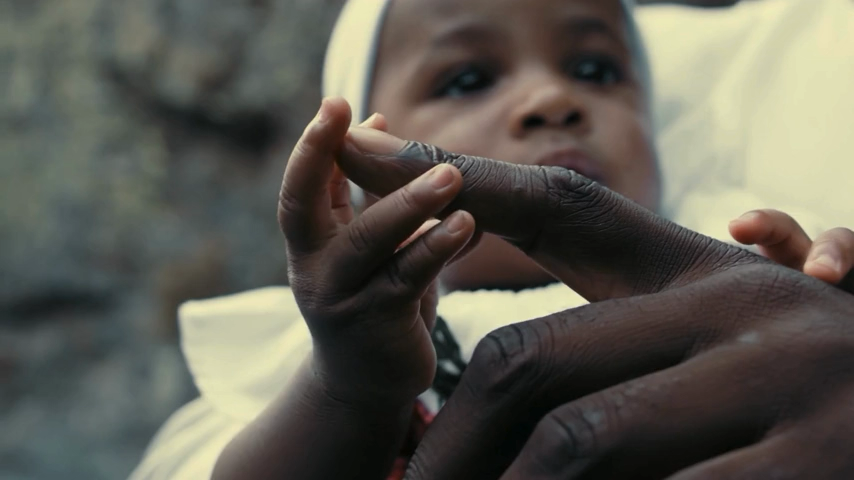
CVD TOUCHES MILLIONS OF LIVES
Each year on World Heart Day (29 September), the World Heart Federation brings together its global network of members to unite and raise awareness of cardiovascular disease (CVD).
Join our mission to prevent millions of premature deaths due to CVD and call on governments to make equitable heart health a priority.
CVD TOUCHES MILLIONS OF LIVES
Each year on World Heart Day (29 September), the World Heart Federation brings together its global network of members to unite and raise awareness of cardiovascular disease (CVD).
In 2026, we will continue the momentum by raising awareness of the worldʼs number one killer and highlighting the importance of recognising the signs and symptoms of CVD.
See the signs: Many signs of CVD go unnoticed until itʼs too late. It can affect anyone – regardless of age, fitness or lifestyle. From congenital heart disease in young people to overlooked symptoms in women and people with uncontrolled hypertension, too many lives are lost because the warning signs go unrecognised.
Protect your heart: Most heart disease is preventable. Most of CVD deaths are caused by risk factors that can be prevented or managed. By making small, consistent changes, people can significantly improve their heart health over time.
Demand action: CVD is often overlooked by decision-makers. Despite being the leading cause of death globally, less than 20 countries have a standalone national plan to tackle CVD.
We welcome you to share your Heart Story on our website and social media. Stories can inspire positive change and help raise awareness of the impact of CVD, whether through personal experience or that of a loved one.
Test your heart health knowledge by taking the Heart Smart Quiz on the World Heart Day app or website. Donʼt forget to share your results!
Throughout September, everyone is encouraged to Keep the Beat by pledging to take small steps that make a big difference to heart health. Whether it’s taking a short walk, cycling to work, or making a heart-healthy switch at dinnertime, every step can make a difference.
Track your progress through the World Heart Day app submit your Keep the Beat Pledges on the World Heart Day website.

Inspire everyday movement with small steps for getting active. Encourage people to make more active choices throughout the day. Could they use the stairs rather than a lift? Take walking breaks from their desk during working hours? Or maybe get off the bus a stop early and walk the rest of the way. Small steps make a big difference too.
Call on your government to prioritise heart health and develop and activate national plans in every country.
Download the official World Heart Day app and join the movement.
Track your physical activities, get instant advice from our AI assistant, and keep your heart healthy every day
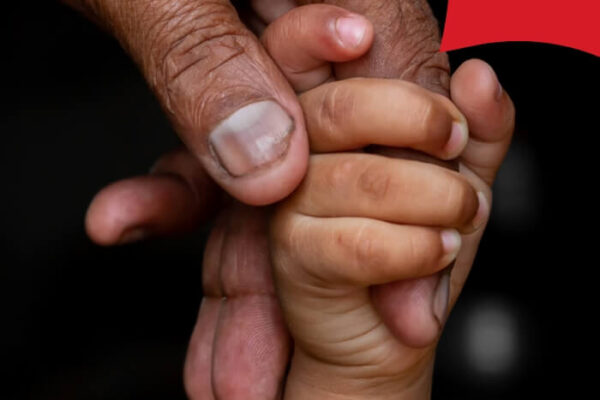
World Heart Day (29 September) is an opportunity to ignite global conversations and engagement, using powerful stories to raise heart health awareness.
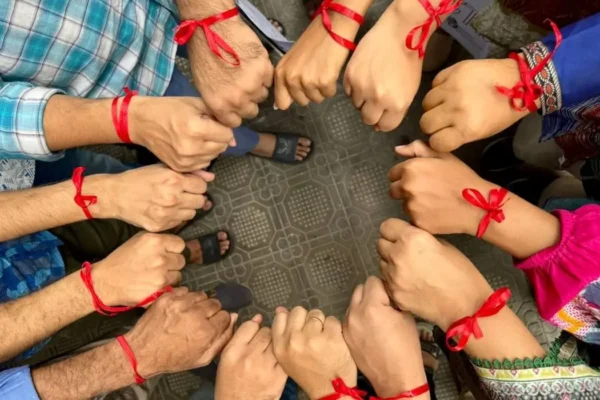
Make World Heart Day your own with a suite of Don’t miss a beat assets. Members can access exclusive content.

Get involved in World Heart Day by telling powerful stories, using social media and signing the petition. Join the movement.
WHD established in partnership with the World Health Organization (WHO) to create a day that would raise awareness and mobilize international action against cardiovascular disease.
WHD becomes an annual event – bringing people together to increase awareness, engage communities, and advocate for universal access to CVD prevention, detection, and treatment.
WHD launches #UseHeart to encourage everyone to think about the many way they can use the biggest and most important muscle in their body.

This year’s campaign focused on the essential step of knowing our hearts first. Because when we know more, we can take better care. Our vox pops aimed to catch members of the public by surprise, to encourage them and the viewers to think differently about their hearts.

The 2024 campaign was dedicated to motivating every country to develop or support national cardiovascular health action plans. With the world’s first global petition prioritising heart health driving more than 100M impressions, 2.5M clicks, resulting in 1.15M visits to the World Heart Day website.

2025 marked the 25th anniversary of World Heart Day. The campaign united people around the world, raising awareness of cardiovascular disease and the importance of taking care of your heart. From individuals, families and schools to community groups and governments, we worked together to make equitable heart health a priority and drive change across the globe.

“It is wonderful that all the leaders in cardiovascular health, from patient organizations to societies and foundations across the globe, come together to network, learn and collaborate on improving cardiovascular health for all.”